
 Schedule Your
Oral & Oropharyngeal Cancers
Worldwide, over 550,000 new cases of Oral, Head and Neck cancer are diagnosed each year.
 Oropharyngeal cancer is slightly different from oral cancer. Oropharyngeal cancers are related to HPV (Human papilloma virus) and usually occur in the tonsils or at the base of the tongue, while oral cancers are in the mouth and usually associated with tobacco use.
The Oral Cavity
The oral cavity includes the lips, the inside lining of the lips and cheeks, the teeth, the gums, the front two-thirds of the tongue, the floor of the mouth below the tongue, and the bony roof of the mouth – also known as the hard palate.
The Oropharynx
Behind the wisdom teeth is considered the oropharynx, which is part of the throat just behind the mouth. It also includes the base of the tongue, the soft palate (back of the mouth), the tonsils, and the side and back wall of the throat.
Categories
Oral and Oropharyngeal cancers are sorted into 3 categories: Benign (non-cancerous), harmless growths that may develop into cancer, and cancerous tumors. This is why regular check-ups with your dental professional are key to your overall well-being.
The Team Involved
The treatment of head and neck cancers does not involve just your dental team, the assistance of many different professionals contributes is required. There may be surgeons, radiation oncologists, medical oncologists, dentists, nutritionists, and speech therapists all involved in your treatment.
Oral cancers are found as late stage three and four diseases about 66% of the time.
It is very important for you to check yourself at home as well as visiting your dentist.
Call Center for Oral & Dental Implant Surgery to schedule your routine dental check up and oral cancer screening today 817-477-0922
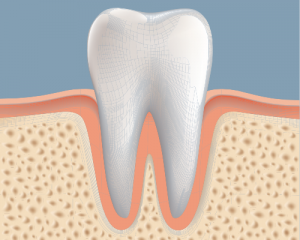 Little Bone Graft
 If you have missing teeth, you could be missing a lot! A very reliable and safe method for replacing teeth is dental implants.
 Whether you are missing a tooth, or at risk of losing many, dental implants may be a great solution for you. Dental implants are an increasingly popular fix for missing or dying teeth, and have many benefits.
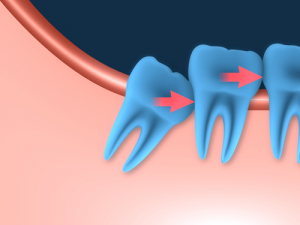
 Having your impacted wisdom teeth removed is a serious surgical procedure, and post-operative care is extremely important! Read on for instructions on how to care for your sore mouth, and how to minimize unnecessary pain and complications.
 Dental implants are a safe and effective replacement for a missing tooth or teeth. The implant is placed in your jawbone and integrates with your natural bone. This implant then forms a stable, sturdy base for your new teeth.
 We are all unique, and so is your mouth! Sometimes, your jaw needs to be beefed up a little, and we’re not talking a hefty workout at the gym.
 Know the facts:
 The Journal of the National Cancer Institute (JNCI) recently found that individuals infected with the hepatitis C virus are two to five times more likely to develop head and neck cancers. The JNCI study found that the risk for hepatitis C patients of developing head and neck cancers more than doubled for oral cavity and oropharynx cancers, and increased nearly five times for larynx cancers. As well, patients that are hepatitis C virus-positive were also more likely to test positive for human papillomavirus (HPV).